What it takes to build Sharia-compliant digital assets
Notes from a Kuala Lumpur roundtable on the future of Shari'a-compliant digital assets, from the team that architected Arteesan, a blockchain-backed art platform exploring tokenisation.
Islamic finance is no longer niche. The industry held about US$5.98 trillion in assets at the end of 2024 and is forecast to reach US$9.7 trillion by 2029, and the global sukuk market alone passed US$1 trillion outstanding in 2024. Digital assets are its newest and least-settled frontier. The question is no longer whether they belong in Islamic finance, but how to build them so they do.
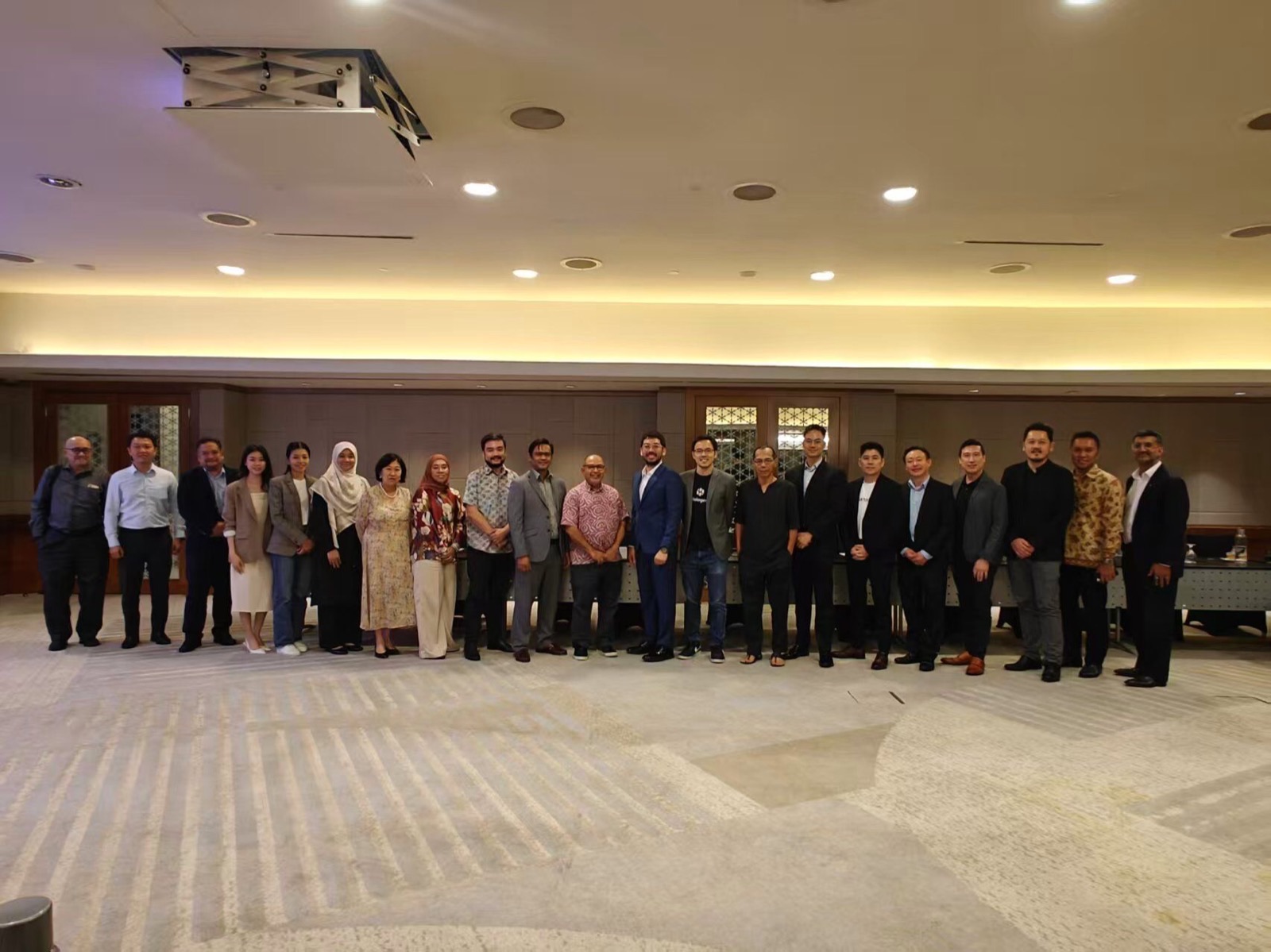
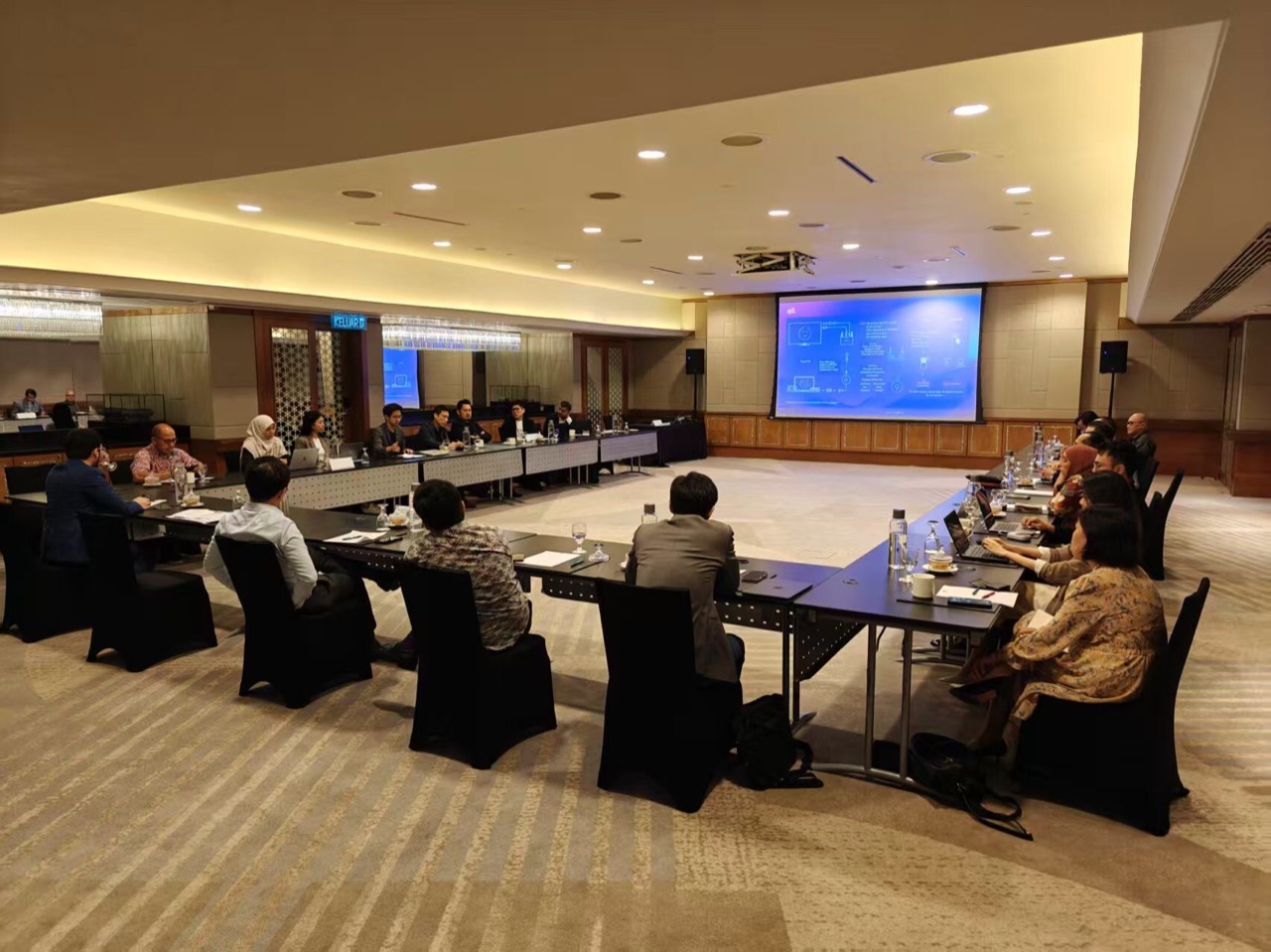
That was the throughline of Navigating the Future of Shari'a-compliant Digital Assets, an invitation-only roundtable that Jersey Finance and Halogen Capital hosted at the Mandarin Oriental in Kuala Lumpur on 19 May 2026. Hosted by Yiow Chong Tan, Jersey Finance's Director for South East Asia, and Fuad Alhabshi, Executive Director at Halogen Capital, it brought industry professionals together around one question: how do digital assets and tokenisation fit inside Islamic finance, and what has to be true before institutions will trust them?
Our founder, Vin Lim, was in the room as the system architect of Arteesan, a platform where artists manage, showcase, and sell their work, with each piece carrying a blockchain-backed certificate of authenticity and tokenisation of the artwork itself now in the works. Different domain, same hard problems: putting provenance on-chain so it can be verified rather than asserted, and tokenising a real-world asset in a way people will trust. That is the lens we brought to the conversation.

Why Malaysia, and why now
Malaysia is one of the three largest Islamic finance markets in the world, holding around US$761 billion in Islamic finance assets, and it has moved earlier than most on the digital-asset side. The Securities Commission Malaysia has regulated digital assets as securities since its 2019 order on digital currencies and digital tokens, has licensed six digital-asset exchanges, and in early 2026 clarified that licensed firms can offer digital-asset broking. Against that backdrop, Halogen Capital became the country's first licensed digital-asset fund manager and launched what it describes as the world's first Shariah-compliant cryptocurrency funds, with Shariah oversight from Amanie Advisors and Tawafuq Consultancy. The regulatory and product groundwork already exists. The harder question is the engineering underneath.
Why Sharia compliance is hard to do on-chain
Sharia compliance is not a label you add at the end. It is a set of rules about what an asset can be and how value is allowed to move, including prohibitions like riba (interest) and excessive uncertainty, judged against standards such as those set by AAOIFI and certified by a Sharia board. To hold up, those rules have to live inside the system: in how a token is issued, how a transaction settles, and what is screened out before it ever happens. That is compliance as code. The constraints are encoded into the contracts and the infrastructure around them, and, just as importantly, made auditable, so a third party can check them rather than take them on faith.
What actually needs to be built
From an engineering seat, the work is familiar even when the domain is not. It needs identity and screening, so the right participants and assets are let in. It needs records that satisfy both a regulator and a Sharia board, which is where a transparent ledger helps, because the audit trail is native rather than reconstructed after the fact. It needs governance that lets scholars and regulators actually sign off on changes. And it needs the unglamorous reliability work that decides whether a system can be trusted with real money: settlement that does not fail quietly, and predictable behaviour when something goes wrong.
What is holding institutions back
The obstacles raised were less about whether the technology can work and more about whether it is dependable enough yet. Regulatory clarity is improving, and Malaysia's six licensed exchanges and its 2026 broking guidance are evidence of that. Infrastructure is maturing but not finished. And trust takes time, because institutions move when the rails are boring and predictable, not when they are exciting. None of that is a reason to stay on the sidelines. It is a description of the work left to do.
We build software systems, not funds. But building Arteesan taught us that the hard part is rarely the chain itself. It is making provenance and compliance auditable, encoding the rules so they hold, and making the system dependable enough that someone will put their name to it, whether that someone is a collector, a regulator, or a Sharia board. With Islamic finance on a path to US$9.7 trillion, those are problems worth showing up for.
- Navigating the Future of Shari'a-compliant Digital Assets, the invitation-only roundtable hosted by Jersey Finance and Halogen Capital at the Mandarin Oriental, Kuala Lumpur, on 19 May 2026.
- ICD-LSEG Islamic Finance Development Report 2025 (industry size, the 2029 forecast, sukuk and Malaysia figures). Figures also reported by Arab News.
- Securities Commission Malaysia, Digital Assets guidelines.
- Halogen Capital; background via Fintech News Malaysia.
- Jersey Finance, roundtable co-host.